

The Invisible Struggle: Understanding Female Pattern Hair Loss
For many women, the realization of hair loss begins subtly. It is often noticed as an increased accumulation of hair on the brush, a widening of the natural part, or the daily requirement for strategic styling to conceal the scalp. This shared secret carries a profound emotional weight. Historically, hair transplantation has been viewed predominantly through a male lens, leading to a pervasive and damaging taboo: the misconception that surgical hair restoration is a men-only procedure. In reality, female pattern hair loss, clinically known as female Androgenetic Alopecia, is a highly prevalent condition. However, it presents differently than its male counterpart. While men typically experience distinct receding hairlines or total vertex baldness, women generally suffer from diffuse thinning across the central scalp, maintaining their frontal hairline. This distinct physiological presentation requires a highly specialized approach to treatment. Fortunately, the landscape of medical hair restoration has evolved significantly. Today, Lütfi Keçici’s specialized Direct Hair Implantation (DHI) and Robotic DHI techniques represent the gold standard for women. These advanced medical protocols offer permanent, scientifically backed restoration without the traumatic necessity of a shaved head, empowering women to reclaim their hair density with absolute discretion.
Beyond the Surface: The Clinical and Psychological Barriers
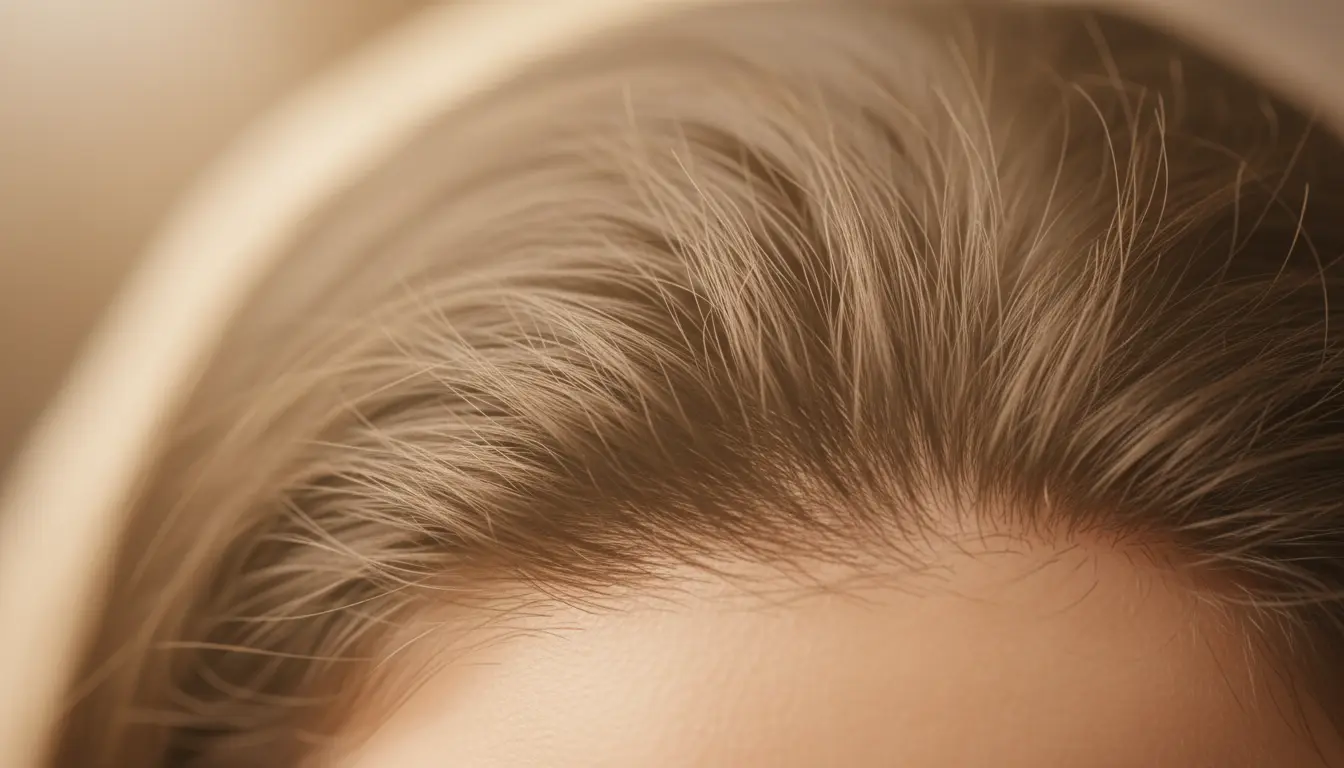
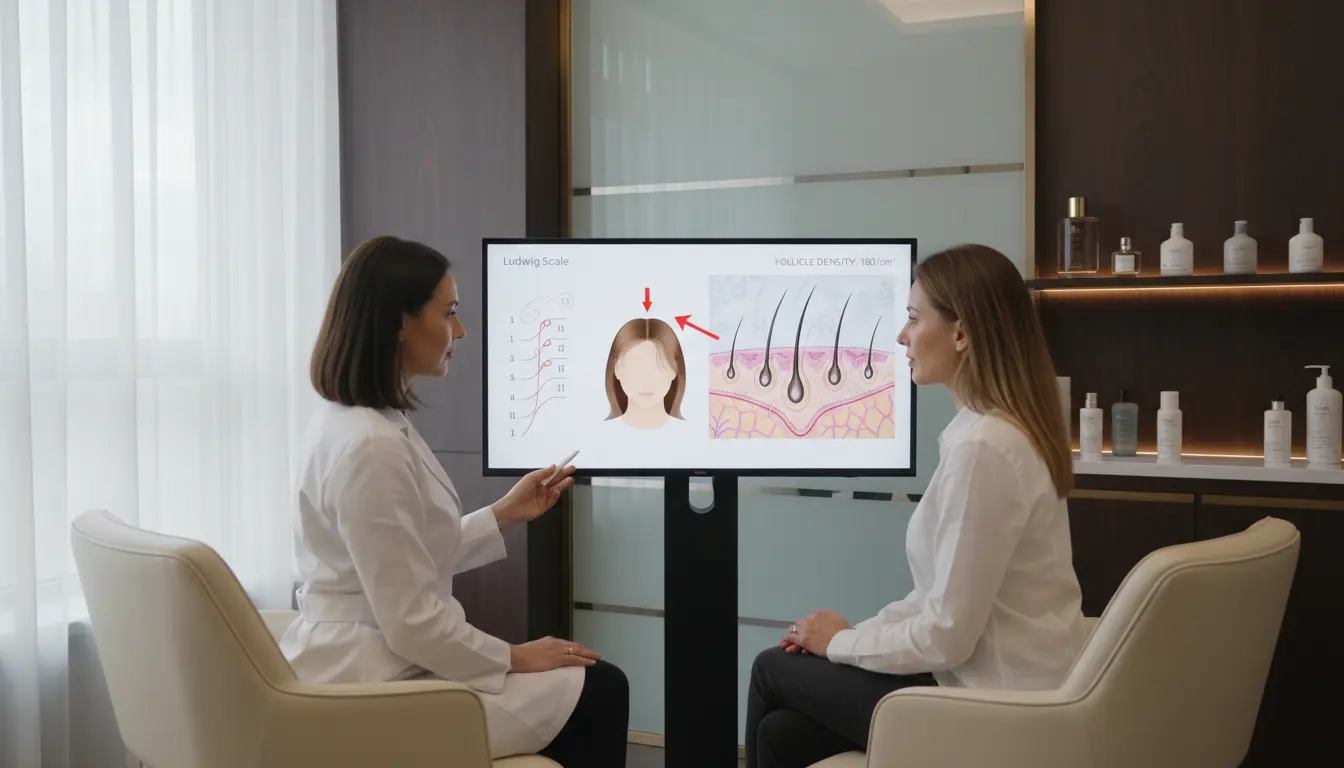
The hesitation many women feel when considering hair restoration is multifaceted, deeply rooted in both psychology and clinical misconceptions. Hair is intrinsically tied to femininity, identity, and self-esteem. The psychological toll of diffuse thinning can lead to severe anxiety and a diminished quality of life. Yet, the primary barrier preventing women from seeking surgical intervention is the fear of the buzz cut. Traditional hair transplant methods often require shaving the recipient area to allow surgeons clear access. For women, this is understandably a non-starter. Furthermore, the complexity of the female scalp cannot be overstated. Female hair loss is medically categorized using the Ludwig Scale, which measures diffuse thinning across the crown rather than the localized bald spots seen in the Norwood Scale for men. Restoring hair on a Ludwig-scale scalp requires exceptional artistic precision and inter-hair grafting—the ability to implant new follicles between existing, healthy hairs without causing damage. This delicate requirement highlights the inherent danger of choosing budget or technician-led clinics. Inexperienced practitioners often lack the micro-surgical skills necessary to navigate the delicate female donor area, risking permanent shock loss or the depletion of an already limited follicular reserve.
The Lütfi Keçici Approach: Precision Meets Aesthetics
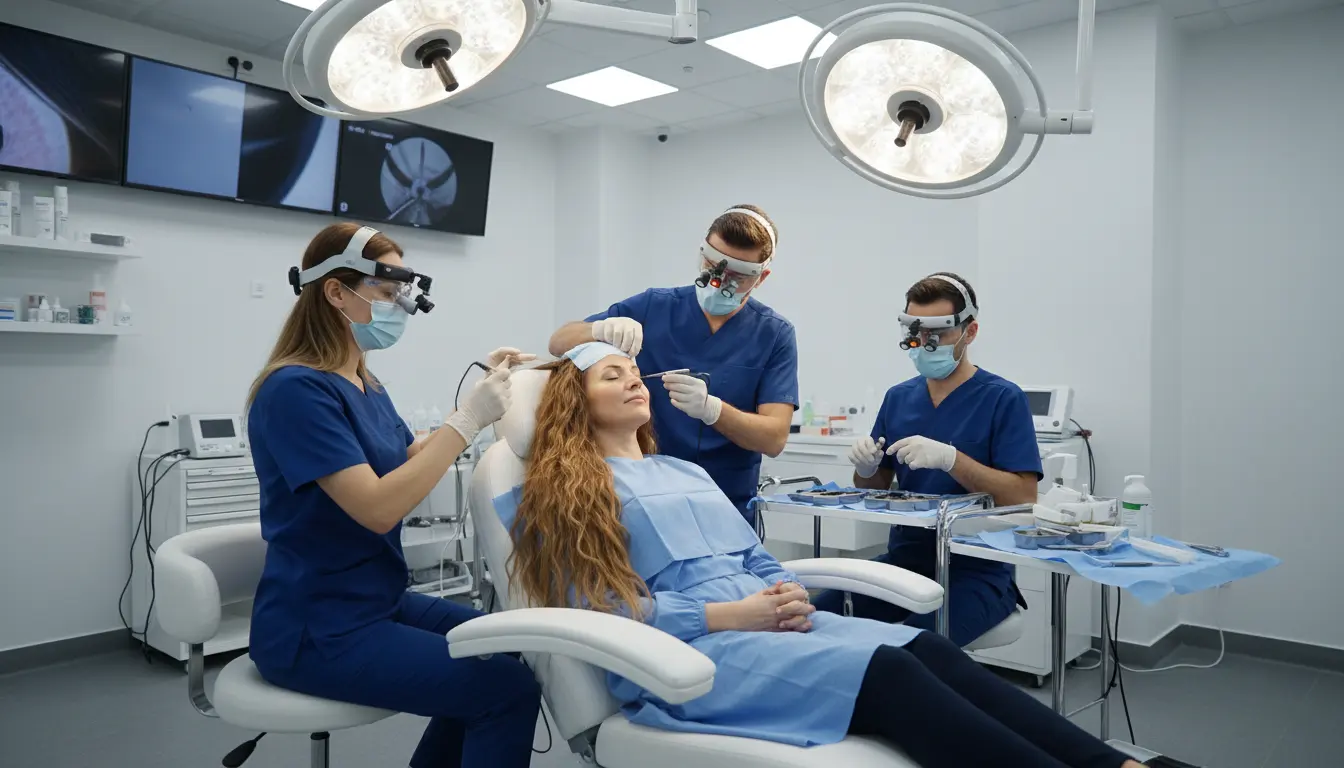
Addressing the unique challenges of female pattern baldness requires a departure from traditional extraction and implantation methods. Lütfi Keçici has pioneered a highly specialized methodology utilizing Direct Hair Implantation (DHI) and Robotic DHI, ensuring that precision flawlessly intersects with feminine aesthetics.
Direct Hair Implantation (DHI) Explained
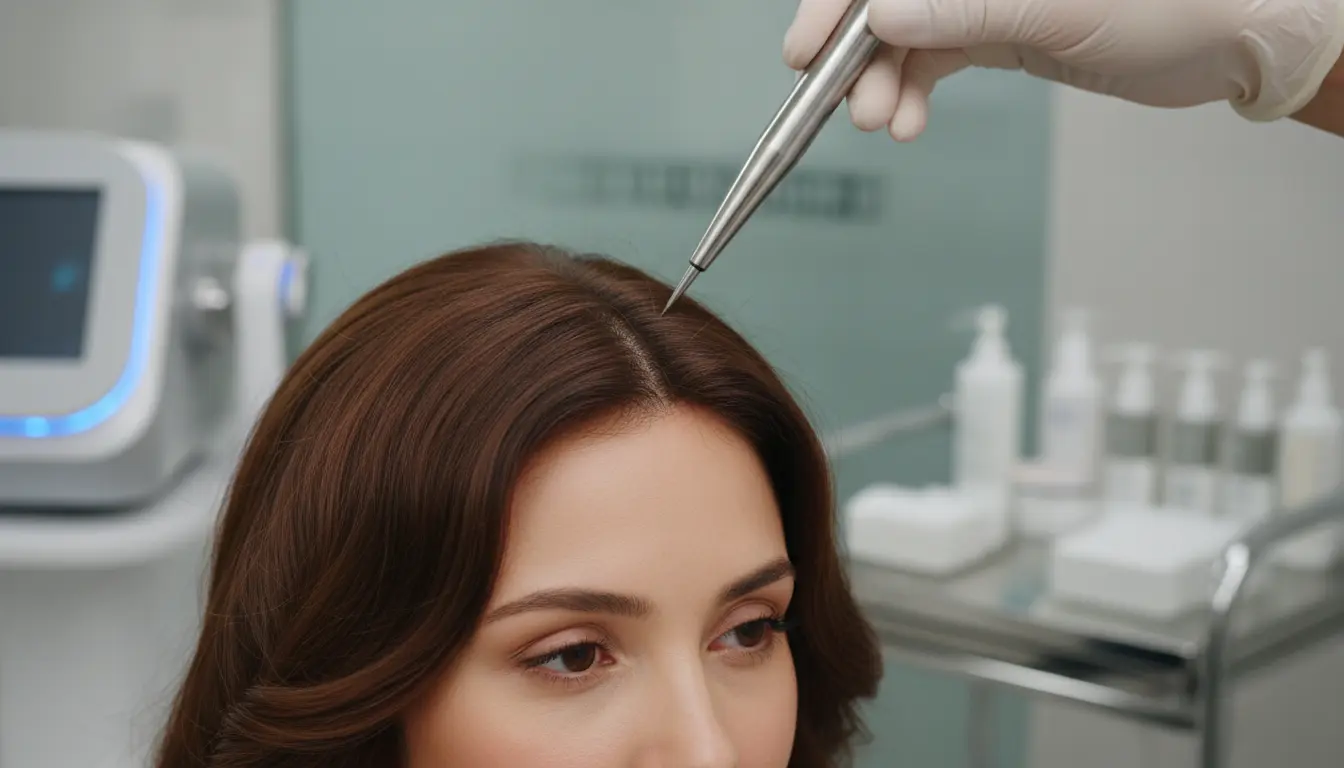
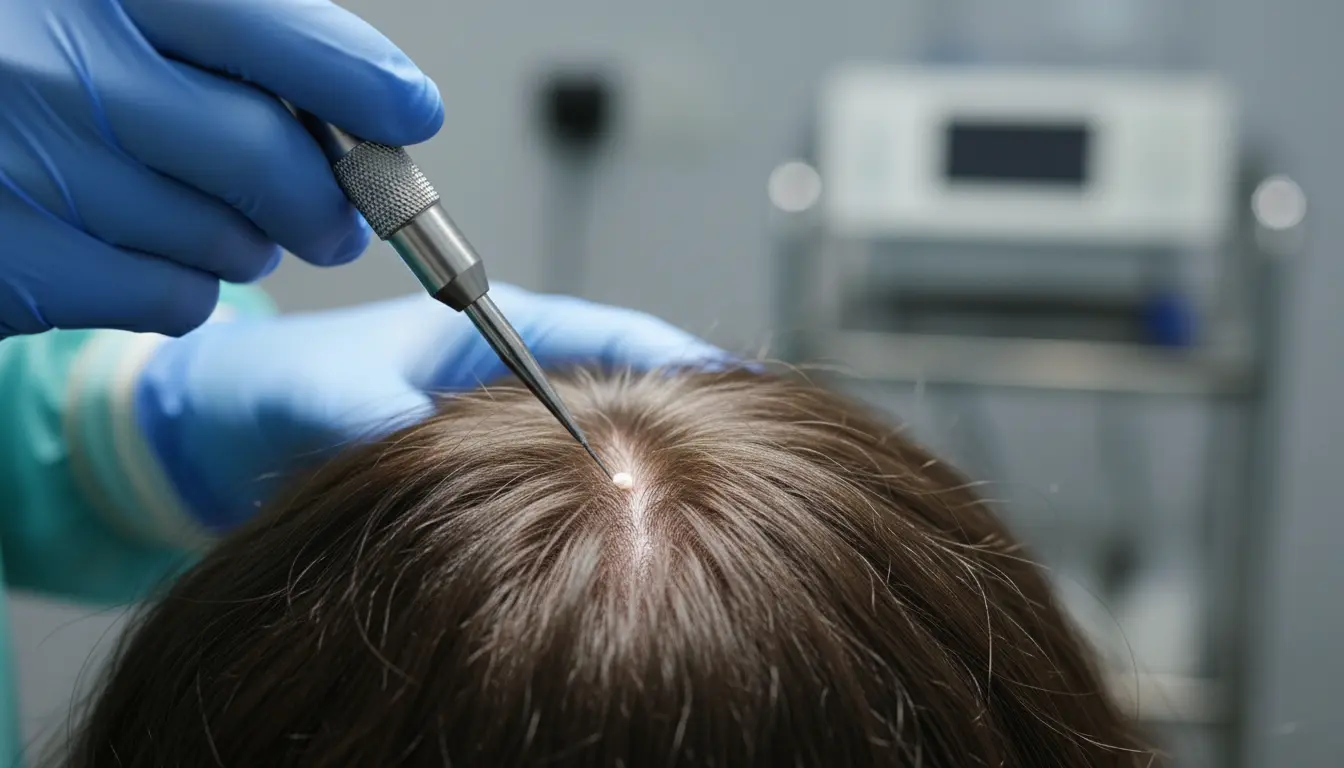
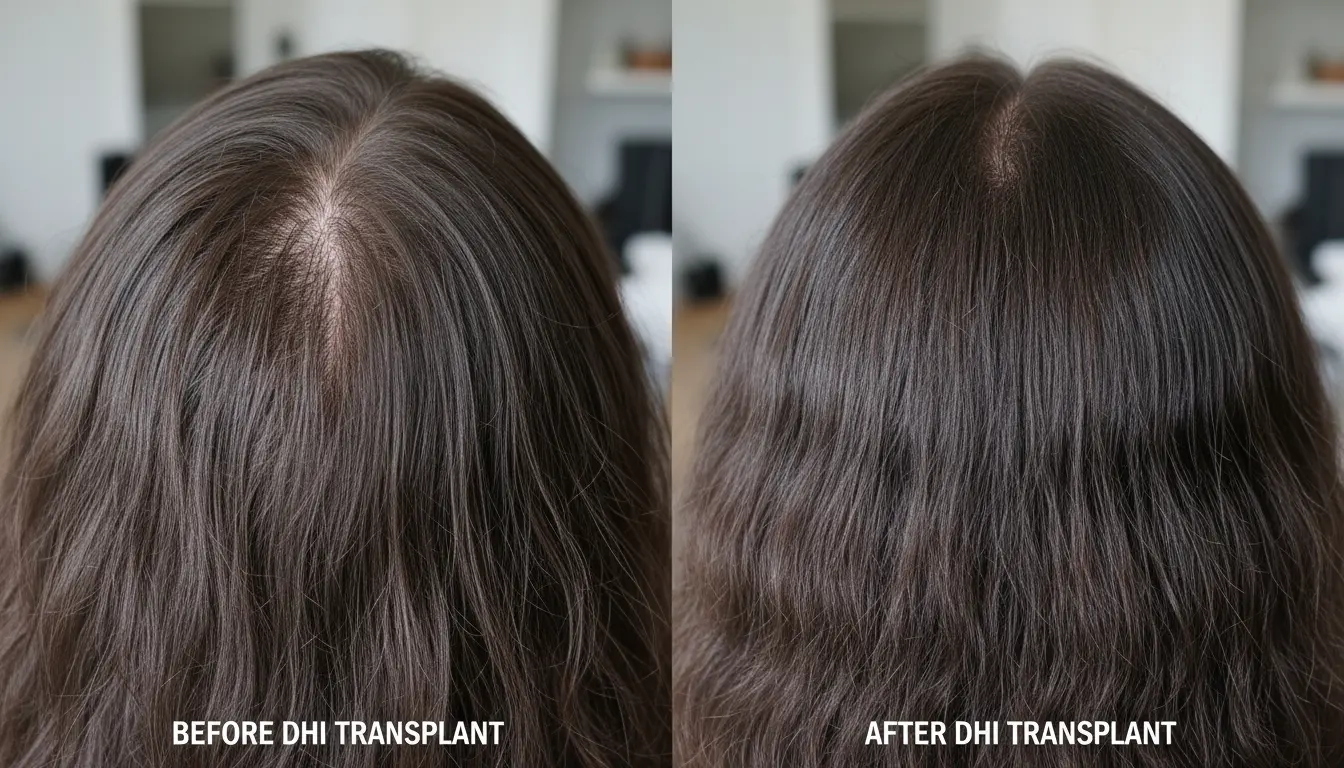
At the core of the Lütfi Keçici method is the DHI technique, facilitated by an advanced medical instrument known as the Choi Implanter Pen. This specialized tool allows the surgeon to extract and implant hair follicles simultaneously, bypassing the need to create pre-made incisions in the scalp. For women, the Choi Pen provides a critical advantage: the no-shave revolution. By utilizing the Choi Pen, Lütfi Keçici can navigate through a patient's existing long hair, implanting grafts directly into the areas of diffuse thinning. This unshaven approach ensures that women can maintain their current hair length during and after the procedure, rendering the surgical intervention virtually undetectable to the untrained eye.
Robotic DHI Innovation
Taking precision a step further, Lütfi Keçici integrates Robotic DHI technology into the restoration process. This AI-driven medical technology is designed to analyze and select only the healthiest, most robust follicles from the donor zone, ensuring the highest possible survival and take rate for the newly transplanted hair. Robotic assistance provides unmatched spatial accuracy. In female hair restoration, the angle, depth, and orientation of every single graft must perfectly mimic the natural flow of the surrounding hair. The robotic system ensures mathematical precision, eliminating human fatigue and guaranteeing a seamless, natural-looking integration. Ultimately, the art of the female hairline and the restoration of central density rely entirely on medical expertise. Lütfi Keçici’s profound understanding of facial harmony and female follicular dynamics ensures the creation of the soft, natural transitions required for a genuinely feminine aesthetic.
6 Actionable Steps for Your Hair Restoration Journey
Embarking on a medical hair restoration journey requires careful planning and an understanding of the clinical process. Here are six crucial steps to guide your path:
Step 1: Identify the Root Cause
Before considering surgery, it is vital to eliminate reversible causes of shedding. Lütfi Keçici mandates a comprehensive blood panel for all female patients, including tests for Ferritin, Vitamin D, and Thyroid function. This clinical assessment ensures that your thinning is genuine Androgenetic Alopecia and not a temporary physiological response like telogen effluvium.
Step 2: Demand an Unshaven Portfolio
When evaluating a clinical practice, request to see before-and-after photographic evidence specifically tailored to women. Look for unshaven DHI results, focusing closely on the restoration of part lines, temporal density, and the natural appearance of the integration.
Step 3: Protect Your Donor Zone
Women typically have a more diffuse distribution of viable donor hair compared to men. It is imperative to protect this limited reserve. Robotic DHI is clinically superior for women because its AI algorithms prevent over-harvesting, ensuring the back of the scalp remains dense and free from patchiness.
Step 4: Prepare the Soil Before Planting
A successful transplant requires an optimal scalp environment. Lütfi Keçici recommends specific pre-operative protocols, such as the application of specialized serums or Platelet-Rich Plasma (PRP) therapy. These treatments enhance vascularization and strengthen the scalp tissue, preparing it to nourish the newly implanted follicles.
Step 5: Master the Shedding Phase Expectations
Patient education is a cornerstone of the Lütfi Keçici approach. It is crucial to understand the shock loss cycle. Around weeks three to four post-operation, patients will experience a temporary shedding phase of the transplanted hairs. Recognizing this as a normal physiological reaction helps maintain confidence and prevents unnecessary anxiety.
Step 6: Prioritize Density Over Coverage
For female patients, the goal is rarely to fill a completely bald area, but rather to increase the volumetric density of existing hair. Shifting your mindset to focus on strategic density along the part and crown will align your expectations with the most aesthetically pleasing clinical outcomes.
The Danger of the Quick Fix
The medical tourism industry is saturated with clinics offering rapid, inexpensive hair transplants utilizing traditional Follicular Unit Extraction (FUE). For women, these older methods can be catastrophic. Traditional FUE requires larger incisions that can easily transect and permanently destroy existing healthy follicles in areas of diffuse thinning. Furthermore, delegating these intricate procedures to unlicensed technicians rather than board-certified surgeons drastically increases the risk of permanent donor depletion and unnatural scarring. The Keçici difference lies in a strict, surgeon-led methodology. By prioritizing medical safety, advanced instrumentation, and meticulous follicular handling, Lütfi Keçici ensures that your investment yields beautiful, permanent results without compromising your existing hair health.
Conclusion: Reclaiming Your Confidence
You do not have to silently accept the psychological burden of female pattern hair loss. The advent of Unshaven DHI and Robotic DHI has effectively dismantled the historical barriers to female hair restoration, offering a discreet, highly effective solution. In the boutique, high-precision environment cultivated by Lütfi Keçici, women are empowered to restore their hair density safely and beautifully. Take the first step toward reclaiming your confidence. You don't have to settle for thinning hair. Book a private, virtual clinical consultation with Lütfi Keçici today and discover if Robotic DHI is the permanent medical solution you have been waiting for.