Explore Other Techniques
Beard & Mustache Transplant
A fuller, natural-looking beard, with Micro FUE planned around sparse areas and your growth direction
Get My Free Consultation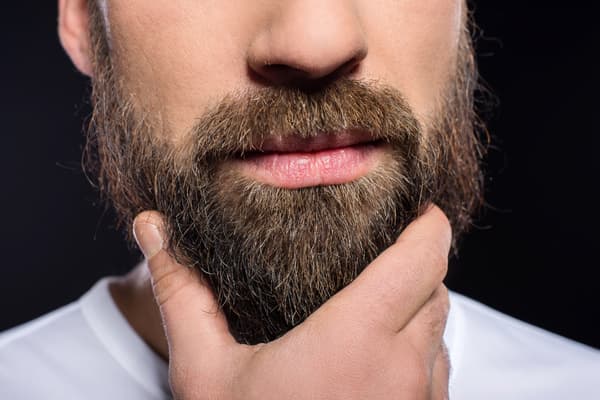
What is Beard & Mustache Transplant?
DHI Beard & Mustache Transplant gives you a full, masculine beard that lasts for life. Individual hair follicles are extracted from the nape with Micro FUE using 0.7-0.8 mm needles, separated under a microscope into single-hair grafts, and implanted one follicle at a time with DHI Choi pens at angles that match your facial hair grain. Because no channels are opened beforehand, tissue trauma and visible scarring stay minimal, and the beard looks natural even up close.
Who it helps
Beard transplants help with patchy growth from genetics and with gaps left by scars, burns or trauma. They also suit men who want a fuller beard and mustache. Whether scarred skin is suitable is assessed at the consultation.
Why DHI for beard and mustache
- Your existing beard grain is mapped first, and each follicle is placed to match it so the new hair blends in.
- Patchy areas and gaps over scars can be filled with balanced density once suitability is confirmed.
- You can shave again after 14 days. Redness usually fades within 7 to 10 days.
- Grafts are separated under a microscope into single hairs chosen to match the thickness and curl of beard hair.
Session Planning
Your plan starts with facial-hair mapping, donor-area evaluation, and a graft estimate for the beard, mustache, or sideburn zones.
Placement follows your natural growth direction so shaving and styling feel familiar after healing.
Aftercare Notes
- Keep the area clean and avoid shaving until your care plan allows it.
- Temporary shedding can happen before new growth begins over the following months.
Answer first
What to know before a beard transplant
A beard transplant moves hair from the nape into the beard, mustache or sideburns. Your existing beard grain is mapped first, then each graft is placed with a Choi pen in the same direction. A full beard typically needs 2,500 to 4,000 grafts, depending on donor capacity, and smaller areas such as the mustache can be treated on their own. Redness fades in 7 to 10 days and you can shave again after 14 days. Full density shows after 6 to 9 months.
How a beard transplant is done
- 1
Beard design
We map your facial hair and plan the density of each area with you at the consultation.
- 2
Extraction
Hair follicles are taken from the nape with 0.7-0.8 mm Micro FUE needles.
- 3
Single-hair grafts
Each follicle is separated under a microscope into single-hair grafts that match beard hair.
- 4
Implantation
Each graft is placed with a DHI Choi pen along your natural growth direction.
Credentials & Recognition
Inventor. Patent Holder. Registered Paramedic.
International Patent
Patent No. 201805012
Ministry of Health Licensed
Hair Transplant Registration, Turkish Ministry of Health
Expert Answers
How many grafts does a beard transplant need?
A full beard, covering the chin, sideburns, mustache and the areas between them, typically needs 2,500 to 4,000 grafts in one session, depending on donor capacity. A mustache alone, or filling patches, needs fewer and is planned at your consultation.
When can I shave after a beard transplant?
You can shave normally again after 14 days. Keep the area clean until then and follow your aftercare plan.
When will I see the final result?
The transplanted hairs shed after 3 to 4 weeks, which is normal, and then regrow. Full beard density usually shows after 6 to 9 months.
Will the transplanted beard look natural?
That depends mostly on the angle of each graft. Your existing growth direction is analysed before any graft is placed, and each one is set to follow your facial hair grain.
Is a beard transplant permanent?
Yes. The follicles come from permanent donor hair at the nape and keep growing once they settle, so you can shave and style them like the rest of your beard.